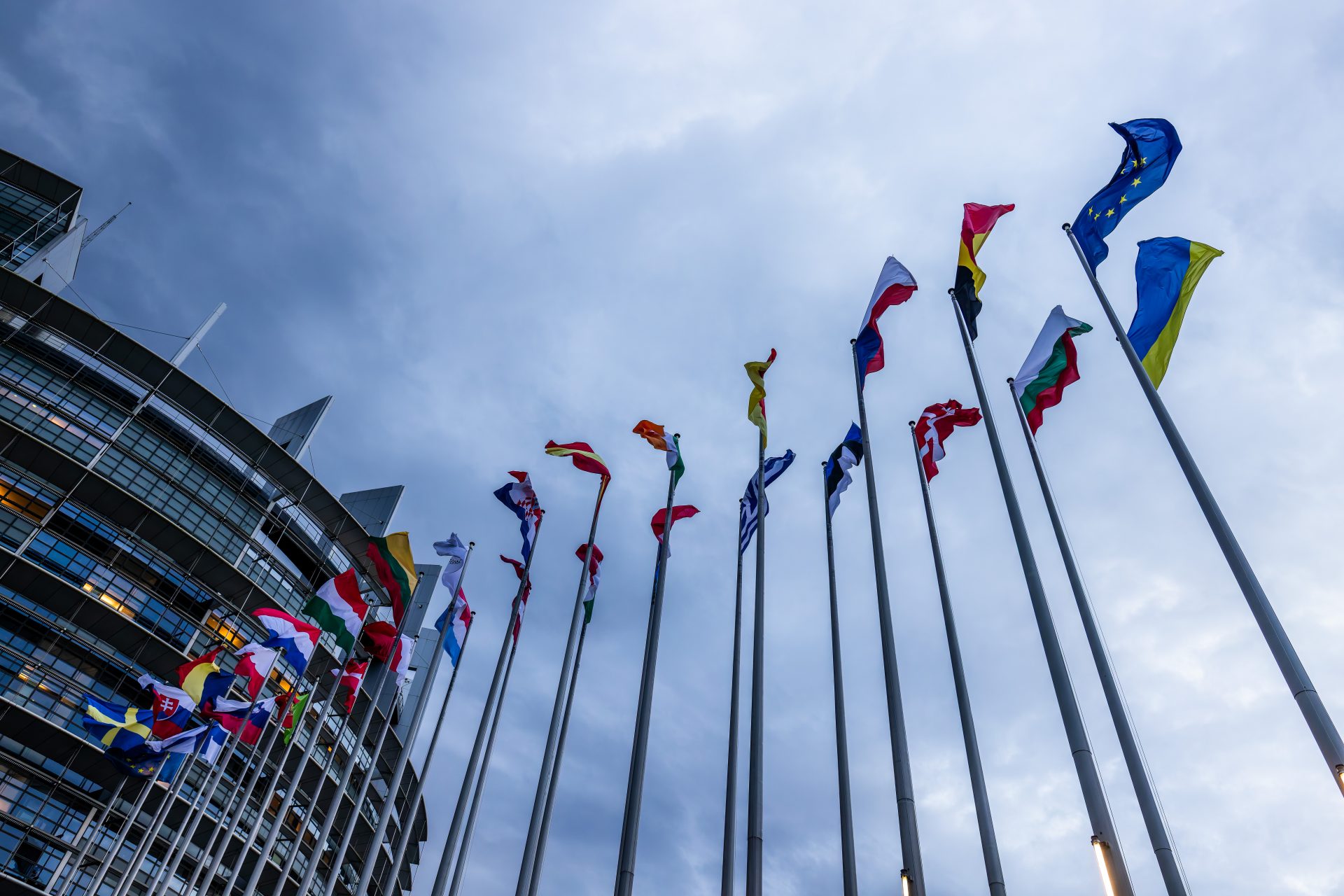
The year 2026 is generating significant discussion about the future of Europe’s economy. Ongoing global uncertainty, political tensions, and changing trade relationships have raised important questions about how European countries can maintain stability and growth. One major source of concern has been recent disagreements between Europe and the United States, particularly following political clashes involving Donald Trump and renewed discussions about higher tariffs and trade barriers.
These tensions have created uncertainty for European businesses, investors, and policymakers. The possibility of increased taxes on European exports could affect manufacturing, energy, and technology sectors that rely heavily on international trade. As a result, Europe faces the challenge of protecting its economic interests while adapting to a more fragmented global market.
Inflation and energy costs also remain key issues. Although inflation has slowed in some countries, price pressures continue to affect households and businesses across the continent. Energy security remains a priority, especially as Europe works to reduce dependence on external suppliers and invest more heavily in renewable energy. These transitions are necessary, but they require significant financial resources and long-term planning.
To strengthen its economic position, Europe must focus on productivity and innovation. Increasing investment in technology, digital infrastructure, and education could help improve competitiveness on a global scale. Small and medium-sized enterprises, which form the backbone of many European economies, will need better access to financing and simplified regulations to grow and create jobs.
Another important factor shaping Europe’s economic future is cooperation within the European Union. Stronger coordination on fiscal policy, trade strategy, and industrial development could help member states respond more effectively to external pressures. At the same time, maintaining unity among countries with different economic priorities remains a complex task.
Regulation will also play a central role in 2026. While clear rules can increase transparency and investor confidence, excessive regulation may slow innovation. Policymakers will need to strike a balance between protecting consumers and encouraging economic growth. This balance will be especially important in sectors such as digital services, artificial intelligence, and financial technology.
In conclusion, Europe’s economic future in 2026 will depend on its ability to adapt to global challenges while strengthening internal cooperation. Trade tensions, inflation, and geopolitical uncertainty present real risks, but they also offer an opportunity for reform and modernization. By investing in productivity, supporting innovation, and maintaining strategic unity, Europe can work toward a more resilient and sustainable economic future.