
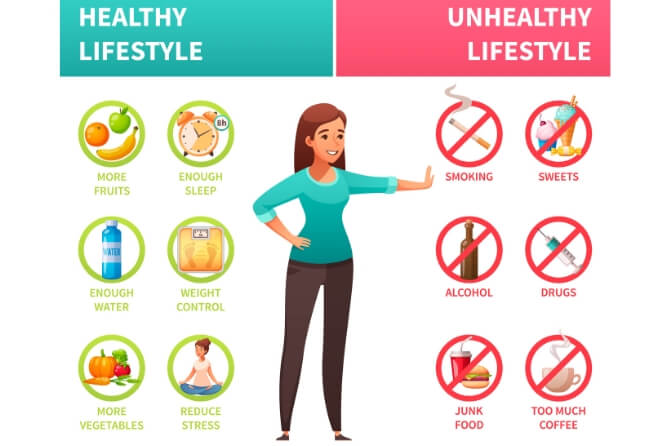
In today’s rapidly evolving world, health and wellness have become more important—and more complex—than ever before. Modern life is defined by constant connectivity, demanding schedules, digital overload, and growing mental pressures. While technological advancements have made life easier in many ways, they have also introduced new challenges to our physical, mental, and emotional well-being.
Health and wellness in modern life are no longer just about avoiding illness; they are about achieving balance, building resilience, and nurturing the mind, body, and spirit in a sustainable way. This article explores how modern lifestyles affect health, the key pillars of wellness, emerging trends, and practical strategies for living a healthier, more fulfilling life in the 21st century.
Understanding Health and Wellness Today
Traditionally, health was defined as the absence of disease. Today, the concept has expanded significantly.
What Is Health?
According to the World Health Organization, health is:
“A state of complete physical, mental, and social well-being, not merely the absence of disease.”
What Is Wellness?
Wellness is an active, ongoing process of making choices that lead to a balanced and meaningful life. It includes:
- Physical wellness
- Mental and emotional wellness
- Social wellness
- Spiritual wellness
- Occupational and financial wellness
In modern life, health and wellness are deeply interconnected and influenced by lifestyle, environment, technology, and mindset.
The Impact of Modern Life on Health
1. Sedentary Lifestyles
Many people spend hours sitting at desks, driving, or using screens. Lack of physical activity contributes to:
- Obesity
- Heart disease
- Diabetes
- Poor posture and chronic pain
2. Digital Overload
Smartphones, social media, and constant notifications have reshaped daily habits. While technology offers convenience, it can also cause:
- Eye strain and headaches
- Sleep disruption
- Anxiety and reduced attention span
- Increased stress levels
3. Chronic Stress
Modern life is often fast-paced and competitive. Work pressure, financial concerns, and social expectations contribute to chronic stress, which can weaken the immune system and increase the risk of serious illness.
4. Poor Nutrition Habits
Busy schedules lead many people to rely on fast food, processed meals, and sugary snacks. These choices negatively affect energy levels, digestion, and long-term health.
Physical Health: The Foundation of Wellness
The Importance of Movement
Regular physical activity is one of the most powerful tools for improving overall health.
Benefits of exercise include:
- Improved cardiovascular health
- Stronger muscles and bones
- Better sleep quality
- Reduced stress and anxiety
- Increased energy and focus
Modern wellness emphasizes consistency over intensity. Even moderate activities like walking, stretching, yoga, or cycling can significantly improve health.
Sleep: The Forgotten Pillar of Health
Sleep is essential for both physical and mental recovery. However, modern lifestyles often disrupt natural sleep patterns.
Lack of sleep can lead to:
- Weakened immunity
- Weight gain
- Poor concentration
- Mood disorders
- Increased risk of chronic diseases
Healthy sleep habits include:
- Maintaining a consistent sleep schedule
- Limiting screen time before bed
- Creating a calm sleep environment
- Avoiding caffeine late in the day
Nutrition in Modern Life
The Shift Toward Mindful Eating
Modern wellness encourages a shift from restrictive diets to mindful and balanced nutrition.
Key principles include:
- Eating whole, unprocessed foods
- Listening to hunger and fullness cues
- Prioritizing quality over quantity
- Enjoying food without guilt
Popular Nutrition Trends
Some wellness trends shaping modern nutrition include:
- Plant-based diets
- Mediterranean diet
- Intermittent fasting
- Gut health awareness
- Reduced sugar and ultra-processed foods
Nutrition is highly individual—what works for one person may not work for another. The goal is sustainable, nourishing habits, not perfection.
Mental Health: A Core Component of Wellness
Mental health awareness has grown significantly in recent years, breaking long-standing stigma and encouraging open conversations.
Common Mental Health Challenges
Modern life contributes to rising levels of:
- Anxiety
- Depression
- Burnout
- Loneliness
These challenges affect people of all ages and backgrounds.
Strategies for Mental Wellness
- Practicing mindfulness and meditation
- Setting healthy boundaries with work and technology
- Seeking professional support when needed
- Maintaining social connections
- Engaging in hobbies and creative outlets
Mental health is not a weakness—it is an essential part of overall wellness.
Emotional and Social Wellness
The Role of Human Connection
Despite being more connected digitally, many people feel emotionally isolated. Strong relationships are vital for emotional health.
Benefits of social wellness include:
- Emotional support
- Reduced stress
- Increased sense of belonging
- Improved longevity
Nurturing relationships with family, friends, and community contributes to a healthier and happier life.
Emotional Intelligence in Modern Life
Understanding and managing emotions helps individuals:
- Navigate stress effectively
- Communicate better
- Build healthier relationships
- Improve self-awareness
Workplace Wellness and Work-Life Balance
The Modern Work Environment
Remote work, flexible schedules, and digital tools have transformed how people work. While these changes offer freedom, they can blur boundaries between work and personal life.
Signs of Burnout
- Constant fatigue
- Reduced motivation
- Emotional exhaustion
- Decreased performance
Creating Work-Life Balance
- Setting clear working hours
- Taking regular breaks
- Prioritizing rest and vacations
- Creating a healthy workspace
Organizations are increasingly recognizing that employee wellness directly impacts productivity and success.
Technology and Wellness
Positive Uses of Technology
When used mindfully, technology can support health:
- Fitness and wellness apps
- Mental health platforms
- Online therapy and support groups
- Wearable health trackers
Digital Detox and Balance
Wellness in modern life is not about avoiding technology, but using it intentionally. Taking regular breaks from screens helps restore focus and reduce stress.
Preventive Healthcare and Holistic Wellness
Modern wellness emphasizes prevention rather than treatment.
Preventive Health Practices
- Regular medical checkups
- Vaccinations
- Stress management
- Healthy lifestyle choices
Holistic Health Approaches
Holistic wellness considers the whole person—mind, body, and environment. Practices such as yoga, meditation, breathwork, and alternative therapies are increasingly popular.
Wellness and Aging in Modern Society
Living longer does not automatically mean living better. Modern wellness focuses on healthy aging, maintaining mobility, mental clarity, and independence.
Key factors include:
- Regular physical activity
- Cognitive stimulation
- Balanced nutrition
- Strong social connections
- Purpose and meaning in life
Environmental Wellness
The environment plays a crucial role in health.
How Environment Affects Wellness
- Air and water quality
- Access to green spaces
- Noise levels
- Urban design
Sustainable living, spending time in nature, and reducing exposure to pollutants contribute to overall well-being.
The Future of Health & Wellness
Looking ahead, health and wellness will continue to evolve with:
- Personalized healthcare
- AI-driven health monitoring
- Preventive medicine advancements
- Greater mental health integration
- Focus on longevity and quality of life
The future of wellness is proactive, personalized, and holistic.
Practical Tips for Health & Wellness in Modern Life
Here are simple, realistic steps anyone can take:
- Move your body daily
- Eat real, nourishing food
- Prioritize sleep
- Manage stress intentionally
- Limit digital overload
- Stay socially connected
- Listen to your body and mind
Small, consistent habits create lasting change.
Conclusion: Redefining Wellness in the Modern World
Health and wellness in modern life are not about perfection or following trends—they are about balance, awareness, and sustainability. In a world that constantly demands more, choosing to care for yourself is a powerful act.
By embracing holistic wellness, setting healthy boundaries, and making intentional lifestyle choices, it is possible to thrive—not just survive—in modern life.
True wellness is a lifelong journey, not a destination.