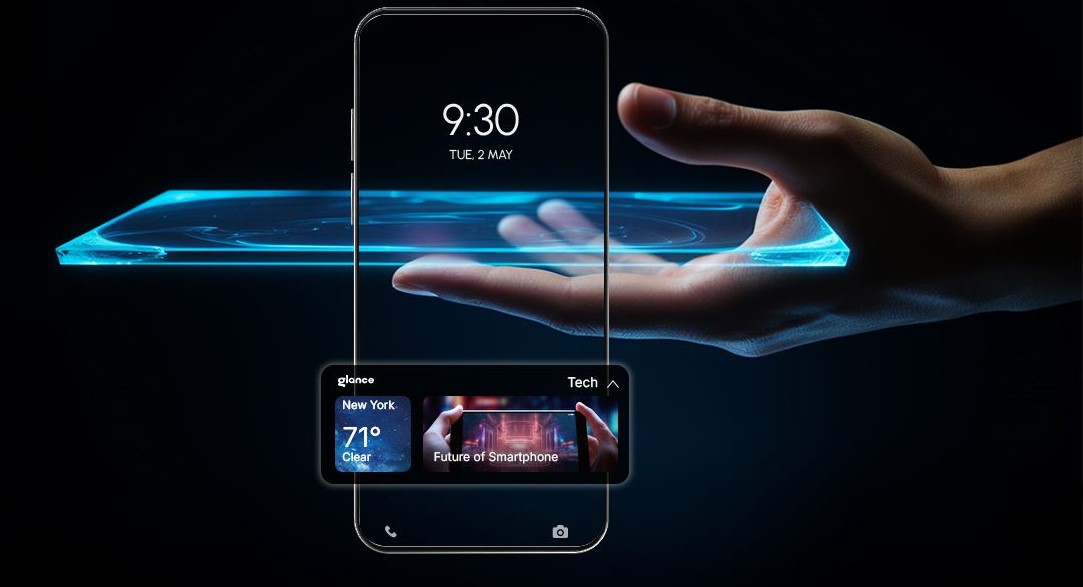
Smartphones have become the most influential technological invention of the modern era. What began as simple communication devices have evolved into powerful pocket-sized computers that manage nearly every aspect of our lives. From communication and entertainment to work, health, finance, and creativity, smartphones now sit at the center of the digital ecosystem.
As technology advances rapidly, new innovations are redefining what smartphones can do and how they integrate with emerging technologies such as artificial intelligence, augmented reality, 5G, and wearable devices. This article explores the evolution of smartphones, the latest innovations shaping the industry, and what the future holds for mobile technology.
The Evolution of Smartphones
The smartphone journey reflects the broader story of technological progress.
Early Mobile Phones
Early mobile phones were bulky, expensive, and limited to voice calls and basic text messaging. Battery life was short, screens were small, and functionality was minimal.
The Smartphone Revolution
The introduction of touchscreens, mobile internet, and app ecosystems transformed phones into multi-purpose devices. App stores opened the door to endless possibilities, turning smartphones into cameras, GPS systems, music players, wallets, and productivity tools.
Today’s Smartphones
Modern smartphones rival laptops in performance. With advanced processors, high-resolution displays, and AI-powered software, they are capable of tasks once reserved for professional equipment.
Key Smartphone Innovations Transforming the Industry
1. Artificial Intelligence in Smartphones
Artificial Intelligence is at the core of modern smartphones.
AI-powered features include:
- Voice assistants and speech recognition
- Smart photography and video enhancement
- Predictive text and language translation
- Personalized content recommendations
- Battery optimization and performance management
AI allows smartphones to adapt to user behavior, making devices smarter, faster, and more intuitive over time.
2. Camera Technology and Computational Photography
Smartphone cameras have replaced traditional cameras for millions of users.
Major Camera Innovations:
- Multi-lens systems (wide, ultra-wide, telephoto)
- Night mode and low-light photography
- AI-based image processing
- Optical image stabilization
- 4K and 8K video recording
Computational photography uses software to enhance images beyond hardware limitations, delivering professional-quality results in a compact device.
3. Foldable and Flexible Displays
Foldable smartphones represent one of the most exciting hardware innovations in recent years.
Benefits of foldable phones:
- Larger screen in a compact form
- Enhanced multitasking
- Improved media and gaming experiences
Flexible OLED technology allows screens to bend without breaking, opening the door to new form factors and device designs.
4. 5G and Next-Generation Connectivity
5G technology is transforming mobile connectivity.
Advantages of 5G include:
- Ultra-fast internet speeds
- Lower latency
- Improved streaming quality
- Better performance for online gaming
- Enhanced support for IoT devices
5G enables new mobile experiences such as cloud gaming, augmented reality applications, and real-time collaboration.
Smartphones and the Internet of Things (IoT)
Smartphones act as the central control hub for the connected world.
IoT Integration
Using smartphones, users can control:
- Smart home devices
- Wearable technology
- Connected vehicles
- Health monitoring systems
- Security cameras and alarms
This interconnected ecosystem increases convenience but also raises concerns about data security and privacy.
Augmented Reality (AR) and Virtual Reality (VR)
Augmented Reality on Smartphones
AR overlays digital elements onto the real world through the phone’s camera.
AR applications include:
- Navigation and mapping
- Online shopping previews
- Gaming experiences
- Education and training
- Interior design visualization
Smartphones are making AR accessible to mainstream users without specialized equipment.
Virtual Reality and Mobile Devices
While VR headsets offer immersive experiences, smartphones often power or support VR applications, expanding entertainment and learning opportunities.
Smartphones in Healthcare and Wellness
Mobile technology is revolutionizing personal health management.
Health-Focused Innovations
- Fitness and activity tracking
- Heart rate and sleep monitoring
- Mental health apps
- Telemedicine services
- Medication reminders
Smartphones enable preventive healthcare by allowing users to track health metrics and access medical advice remotely.
Mobile Payments and Digital Finance
Smartphones are transforming how people manage money.
Financial Innovations
- Contactless payments
- Mobile wallets
- Cryptocurrency apps
- Online banking
- Peer-to-peer transfers
These innovations promote financial inclusion and convenience, especially in regions with limited access to traditional banking.
Smartphones and Work Productivity
Smartphones are essential tools for modern professionals.
Productivity Features
- Cloud-based document editing
- Video conferencing
- Task management apps
- Email and calendar integration
- Remote collaboration tools
The rise of remote work has further increased reliance on smartphones as portable workstations.
Gaming and Entertainment Innovations
Mobile Gaming Revolution
Smartphones have become powerful gaming platforms.
Key developments include:
- Advanced mobile GPUs
- High refresh-rate displays
- Cloud gaming services
- Cross-platform gaming
- AR-based games
Mobile gaming now rivals console and PC gaming in revenue and popularity.
Streaming and Content Creation
Smartphones are also primary devices for:
- Video streaming
- Social media creation
- Podcast recording
- Mobile filmmaking
Content creators rely heavily on smartphones for production and distribution.
Security and Privacy Innovations
As smartphones store sensitive data, security is a top priority.
Modern Security Features
- Biometric authentication (fingerprint, facial recognition)
- Encrypted data storage
- Secure app permissions
- AI-driven threat detection
Despite these advancements, user awareness remains critical to maintaining digital safety.
Sustainability and Eco-Friendly Technology
Environmental concerns are shaping smartphone innovation.
Sustainable Developments
- Recycled materials
- Energy-efficient components
- Longer software support
- Repair-friendly designs
- Reduced packaging waste
Consumers are increasingly demanding eco-conscious technology choices.
Challenges Facing Smartphone Innovation
Despite rapid progress, challenges remain.
Key Issues:
- Digital addiction and screen overuse
- Data privacy concerns
- E-waste and environmental impact
- High device costs
- Technology accessibility gaps
Balancing innovation with responsibility is crucial for the future.
The Future of Smartphones: What’s Next?
Looking ahead, smartphones will continue to evolve.
Future Trends May Include:
- AI-driven personal assistants with deeper intelligence
- Integration with brain-computer interfaces
- Advanced AR glasses linked to smartphones
- Fully modular devices
- Enhanced sustainability standards
Smartphones may become less visible but more integrated into daily life through wearable and ambient technologies.
Smartphones and Human Behavior
Smartphones influence how people communicate, learn, shop, and socialize.
Social Impact
- Instant global connectivity
- New forms of digital expression
- Shifts in attention and communication habits
- Increased access to information
While smartphones empower users, mindful usage is essential to avoid overdependence.
The Role of Smartphones in Emerging Markets
In many parts of the world, smartphones are the primary gateway to the internet.
Benefits Include:
- Access to education
- Mobile banking services
- Healthcare information
- Job opportunities
- Digital entrepreneurship
Affordable smartphones are driving global digital inclusion.